
Dig Through History

Project Overview
The idea behind “Dig Through History” emerged during an intensive brainstorming session with our team and the museum’s curators. The objective was clear: create a game that not only entertains but also educates players about historical events and cultural heritage. By combining elements of exploration, puzzle-solving, and interactive storytelling, we aimed to craft an experience that would resonate with both museum visitors and gamers alike.
Concept and Ideation
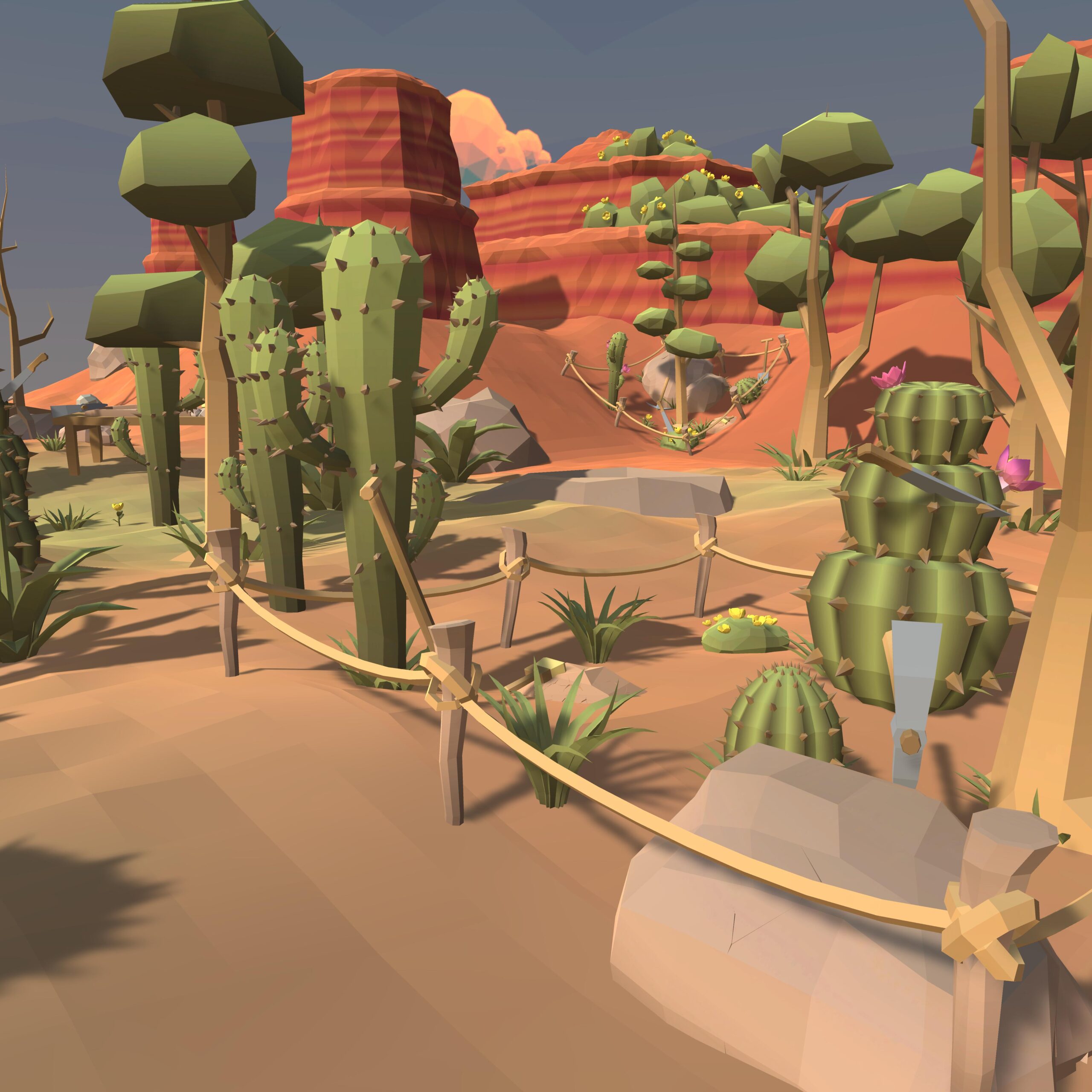
At its core, “Dig Through History” is about uncovering the past by navigating through intricately designed levels that represent different historical periods and settings. Our concept evolved from the idea of using the museum’s extensive collection as inspiration, blending historical facts with engaging game mechanics. The challenge was to create a gameplay flow that allowed players to experience history in a dynamic and interactive way while keeping the narrative accessible and fun.

My Contributions
As the lead game designer on the project, I played a key role in shaping the game’s flow and structure. I was primarily responsible for the level design, meticulously crafting the progression of challenges and ensuring that each level told a coherent part of our historical narrative. Additionally, I authored the majority of the Game Design Document (GGD), laying down the fundamental mechanics and systems that would drive the game. Beyond the design, I acted as a project butterfly—jumping in wherever needed to support the team. I also contributed by creating various props and 2D transitions, which added visual flair and helped unify the overall aesthetic of the game.
Houdini Script: Voronoi Slicing Magic
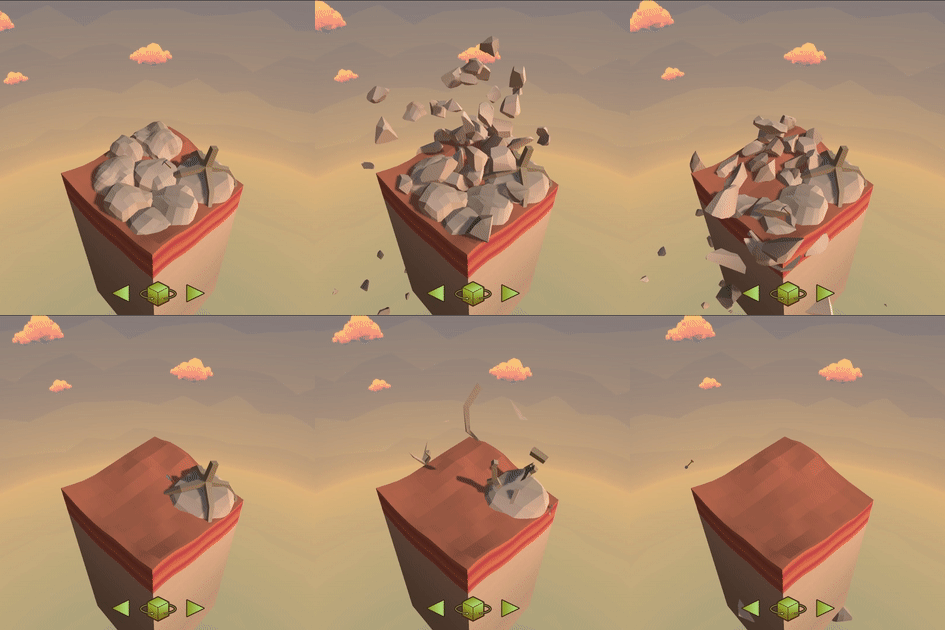
One of the most exciting technical features I developed was a Houdini script that brought an extra layer of interactivity to the game. This script takes a 3D model as input and, using a Voronoi algorithm, slices it into multiple pieces. This effect became one of the most fun aspects of “Dig Through History.” In the game, when a player interacts with a specific 3D prop using the right tool, the object dramatically explodes into fragments—providing a satisfying visual cue and adding to the game’s dynamic environment. It’s a feature that not only enhances gameplay but also serves as a nod to the creative possibilities of procedural modeling.
Collaborative Effort and Production Process
The success of “Dig Through History” is a testament to our team’s collaborative spirit. Working closely with the museum, our interdisciplinary team combined expertise from game design, programming, art, and narrative development. We maintained constant communication with the client to ensure that every design decision honored the historical context while still delivering a modern gaming experience. This collaborative process allowed us to balance creative freedom with the project’s educational goals, resulting in a product that is both engaging and meaningful.
Final Thoughts and Next Steps
Reflecting on the journey, “Dig Through History” stands as a prime example of how a clear vision, strong collaboration, and innovative technical solutions can come together to create a unique gaming experience. I’m incredibly proud of the contributions we made—from intricate level design to the captivating Voronoi slicing effect—and I’m excited to see how the museum and its visitors respond to the final product. A big shoutout to the entire team!
