Cartamundi Digital Internship
Introduction: Cartamundi Digital & The Vision
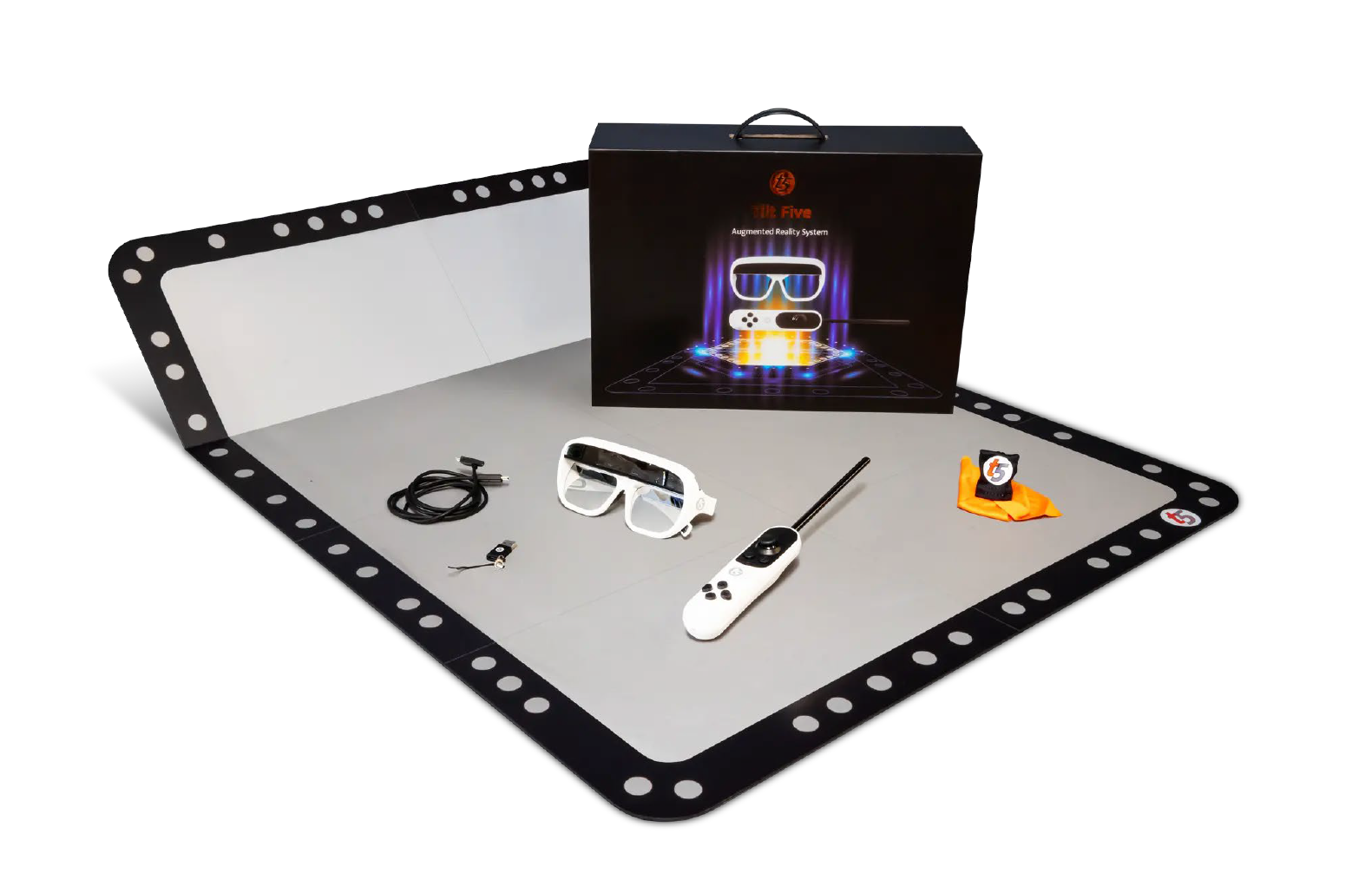
Cartamundi Digital, a branch of the global playing card leader Cartamundi, merges physical and digital gaming through innovative XR projects. My internship centered on porting a cardgame 2D mobile app, into immersive XR experiences using TiltFive AR glasses and Meta Quest 2 VR. The vision was to create a social gaming platform where players worldwide could interact as if seated at the same table. While initial plans focused on TiltFive’s AR capabilities, technical limitations and Quest 2’s broader appeal led us to prioritize VR development. As a generalist, I tackled coding, 3D modeling, and design, diving headfirst into the challenges of XR optimization and collaborative gameplay.
Setting the Stage: Hardware Hurdles & R&D
The first weeks were dominated by tech setup and research. TiltFive’s AR system required Unity SDK integration, but underpowered laptops bottlenecked progress. Meanwhile, Quest 2’s Meta account setup became a labyrinth of broken web pages and support tickets. Once operational, we explored Unity’s XR Interaction Toolkit, a framework enabling grab interactions, locomotion, and UI systems critical for VR. Prototyping answered key questions: How do players interact with cards in 3D? What UI works best in headset displays? These experiments laid the groundwork for our pivot to VR, balancing ambition with the realities of mobile hardware constraints.


Porting the App: From 2D to VR/AR
Transitioning the app to XR meant overhauling its 2D UI into 3D interactables. The original codebase used a rigid view stacking system, where screens were layered like cards. We replaced this with spatial UI—floating menus, grabbable cards, and physics-based interactions. For VR, I modeled a pub environment with a central table, bar stools, and dartboards, while adapting the same logic for TiltFive’s AR mat. A breakthrough came with holofoil shaders, creating shimmering card effects using Unity’s Shader Graph. Performance hurdles emerged: Quest 2 struggled with dynamic lighting, forcing us to pre-bake lightmaps and simplify textures. Collaboration with junior developers helped untangle legacy code, proving the value of iterative feedback in complex projects.
Artistic Flair: Modeling, Texturing, and Worldbuilding
Artistic work balanced creativity with technical rigor. Starting with a medieval pub theme, feedback pushed us toward a brighter, modern aesthetic. I modeled tables, chandeliers, and dartboards in Maya, textured in Substance Painter, and designed tileable brick walls in Quixel Mixer. A standout feature was the physics-driven lightbulb system: configurable joints and spline tools let players swing hanging lights, enhancing immersion. However, the team noted that commercial asset packs could save time versus custom models—a lesson in balancing artistry with efficiency. Weekly reviews with Cartamundi’s lead designer ensured our visuals aligned with brand standards, even as we iterated on themes from rustic taverns to futuristic concepts.


Beyond VR: Roblox Adventures & Final Takeaways
With the VR app complete, we explored Roblox development for Cartamundi’s future. Tasks included scripting in Luau, designing shops with Roblox Studio, and documenting workflows for offline development using Rojo. We built currency systems and GUIs with Roact/Knit, learning to navigate Roblox’s quirks. Reflecting on the internship, technical growth stood out—mastering XR toolkits, shaders, and optimization—but soft skills mattered too: agile planning, seeking feedback, and adapting to setbacks. While Cartamundi’s hiring freeze dampened spirits, the experience solidified my passion for immersive tech. As I venture into full-time roles, I carry lessons in balancing creativity with pragmatism, and the thrill of seeing players interact in worlds I helped build.